Category: Church Assistance

  • What the Society of Saint Vincent De Paul Offers People in Financial Need

    What the Society of Saint Vincent De Paul Offers People in Financial Need

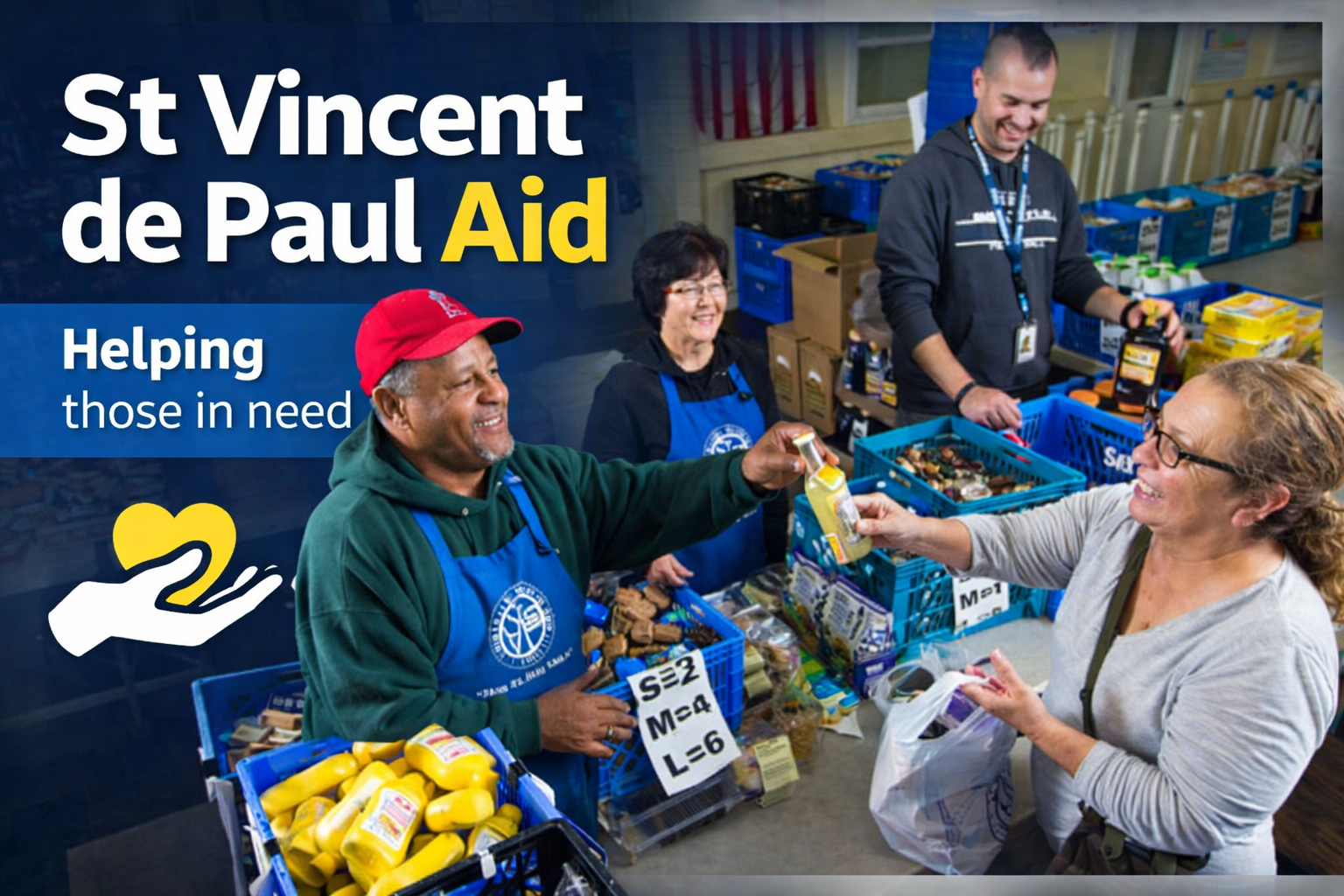
    The Society of St. Vincent de Paul (SVdP) offers emergency financial assistance for rent, mortgage payments, utility bills, and prescription medications. The organization also provides essential items—such as food, clothing, fuel, and furniture—through community food banks, home deliveries, and local thrift stores.

    With more than 4,000 local conferences, the Society of St. Vincent de Paul (SVdP) provides direct, immediate financial and material aid to individuals and families facing severe economic hardship. The Society operates at a highly personalized, local level through volunteer-led groups known as “Conferences,” which are typically affiliated with local Catholic parishes. Because assistance is decentralized and relies entirely on the resources of the local chapter, the type of aid, available funds, and application processes vary by location.

    Emergency financial assistance for rent and bills

    The Society of St. Vincent de Paul (SVdP) offers emergency assistance for rent and utility bills to prevent evictions, avoid service shut-offs, and combat homelessness. Since funds are local and specific, aid is distributed directly through parish or neighborhood groups (known as “Conferences”) that operate within clearly defined zip codes or parish boundaries. When assistance is approved, SVdP never hands cash directly to recipients; instead, it issues physical checks made out to the landlord, property manager, or utility company.

    Rent and mortgage assistance is provided through direct payment of past-due rent, late fees, or emergency mortgage balances to legally halt eviction notices. Some local chapters also assist with security deposits for moving. If their own funds are exhausted, local chapters refer individuals to other local rental assistance options or help them find community resources for utilities. Local organizations can often point you toward other rental assistance options in the area if their own funds have been exhausted, or help you find community resources for paying utility bills.

    Some SVdP chapters make direct payments to maintain water, electricity, and natural gas service, and help purchase bulk heating fuel (such as heating oil or propane) during critical winter months, provided it is the household’s primary heating source. Please note that SVdP explicitly excludes non-essential expenses such as internet, cable TV, streaming service subscriptions, and mobile phone bills.

    You must contact the specific SVdP center or Catholic church conference serving your zip code. You can locate your local chapter using search tools such as those provided by the SVdP Council in Phoenix or the SVdP map in Cincinnati. Two casework volunteers will schedule a home visit to assess your needs, inspect your living situation, and ensure that the emergency aid will effectively stabilize your housing. Financial crisis assistance is intended strictly for temporary emergencies. Most sections apply strict frequency rules, generally limiting financial assistance to once every 12 months per household.

    Food assistance – meals and free grocery type products

    The Society of St. Vincent de Paul (SVdP) provides immediate food assistance through a combination of community pantries, hot meal programs, and home delivery services. Since food distribution operations are managed at the neighborhood level, specific methods vary by parish chapter.

    Local parish pantries supply staples such as dry goods, canned proteins, grains, and essential baking ingredients. Depending on partnerships with local suppliers, many centers also offer fresh produce, meat, dairy products, and eggs.

    SVdP operates soup kitchens in major urban centers; these facilities serve free, hot, and nutritious breakfasts and lunches daily to the homeless, low-income seniors, and families.

    If a local church pantry is empty or closed, volunteers may provide vouchers or gift cards redeemable for food and essential items at designated local supermarket chains. Many SVdP pantries serve walk-in clients during established weekly hours. A formal home visit is often not required to receive immediate food assistance; you may also consult the NHPB guide on food banks and pantries.

    Clothes, furniture, and other essential household items

    The Society of St. Vincent de Paul (SVdP) provides clothing, furniture, and household goods to individuals and families in need, primarily through its thrift stores and a voucher system. Those facing financial crises, suffering the effects of natural disasters, or overcoming homelessness can receive these items completely free of charge.

    While SVdP thrift stores are open to the general public to raise funds for charitable work, they also serve as direct distribution centers for material aid. During a required home visit or intake interview, SVdP volunteers assess living conditions. If a lack of essential items is confirmed, they issue physical vouchers that can be redeemed for merchandise. You present these vouchers at the designated local SVdP thrift store. The voucher allows you to select specific items at no cost, up to a set limit on monetary value or the number of products. Please check the community-specific free items directory page for information on other programs.

    Thrift Stores and Vehicle Donations

    SVdP thrift stores operate as social enterprises. They accept community donations to fund local poverty-relief efforts and provide immediate material aid to families in crisis. These stores offer clothing, footwear, books, household goods, electronics, and furniture to the general public at deeply discounted prices, helping low-income shoppers stretch their household budgets. The stores serve as drop-off points for community members to donate gently used items; in some large regions, free home pickup services are available for bulky furniture donations.

    Most SVdP regional councils manage a structured vehicle donation program (often centralized under national initiatives such as One Car, One Mission in the U.S.). They accept cars, trucks, motorcycles, boats, and recreational vehicles (RVs), whether they are in running condition or not. Typically, the vehicle is sold at a specialized dealer auction or sent to a recycling facility. Net proceeds go directly to the local SVdP council to fund local food and housing assistance programs. You can find more details on the St. Vincent de Paul thrift store webpage.

    Free healthcare and medication distribution

    In regions such as North Texas (Dallas), the Cincinnati metropolitan area, Baton Rouge, Jackson, and Madison, SVdP operates licensed brick-and-mortar pharmacies. These facilities resemble conventional commercial pharmacies but operate without cash registers, dispensing vital maintenance medications entirely free of charge. This free distribution focuses primarily on managing chronic conditions. The inventory includes medications for heart disease, hypertension, diabetes, asthma, chronic obstructive pulmonary disease (COPD), and serious infections.

    In certain urban centers—most notably initiatives like the SVdP Medical Clinic in Phoenix—the organization runs fully operational health centers for individuals who lack access to medical care due to high costs. If there is no SVdP center with a pharmacy in your area, we recommend contacting your local parish conference helpline.

    Local volunteers can often issue one-time medical vouchers to cover the cost of an essential prescription at commercial pharmacies (such as Walgreens or CVS) or assist you in processing the paperwork required to access direct assistance programs offered by pharmaceutical manufacturers.

    Employment and reentry programs

    SVdP operates national workforce development and social reintegration programs designed to help individuals involved with the justice system—known as “returning citizens“—successfully reintegrate into society and achieve economic independence. The cornerstone of SVdP’s national justice initiative is the IMMERSION program, which provides comprehensive, multidisciplinary support services to these citizens and their families.

    Volunteers provide crucial assistance on “Day One of freedom,” delivering immediate essentials such as clothing vouchers, food supplies for the first few days, cell phones, and direct transportation from correctional facilities.

    Recognizing that traditional job training programs are often unpaid and unsustainable for those needing immediate income, SVdP created the Back2Work program. Training focuses primarily on sectors with inclusive hiring policies for individuals with criminal records, such as electrical work, logistics, commercial landscaping, manufacturing, and hospitality.

    Holiday and Seasonal Assistance

    The Society of St. Vincent de Paul (SVdP) runs specialized holiday and seasonal assistance programs to ensure that low-income families, seniors living alone, and children can enjoy dignified celebrations and stay safe during extreme weather conditions.

    Holiday food baskets: Families receive specially prepared food boxes containing a whole turkey or ham, traditional side dishes (stuffing, potatoes, canned vegetables, gravy), and baking ingredients to prepare a holiday meal at home.

    SVdP also hosts community holiday banquets; the organization’s larger dining facilities offer free, formal community lunches on Thanksgiving and Christmas Day. These events feature chef-prepared hot meals, live music, and a welcoming atmosphere for the homeless and seniors living alone.

    Some regional councils set up temporary “toy workshops.” Low-income parents who have pre-registered can browse these areas and select new toys and books—donated by the community—for their children at no cost, thereby preserving the parents’ dignity by allowing them to give gifts.

    Additionally, through the “Angel Tree” program, local parishes set up trees decorated with cards listing winter clothing sizes and toys requested by neighborhood children. Parishioners purchase the items, and SVdP delivers them to the parents. Other local Christmas assistance programs can also be found, as well as free school supply programs for the summer and autumn seasons.

    Transportation assistance – free gas, bus passes

    When local funds allow, local SVdP parish groups distribute transportation assistance in various forms. These groups provide city bus passes or subway tokens valid for a single day, several days, or a full month. Absolute priority is given to individuals who rely on public transportation to get to work or to attend regular medical treatments, such as dialysis.

    For neighbors who have a working vehicle but cannot afford fuel, volunteers can provide physical gas cards. These cards usually have a set monetary limit (e.g., $25 to $50) and are restricted to use at specific gas station chains. In specific cases and following an individual assessment, some regional councils may help cover part of a vehicle repair bill (such as brake repairs, replacing a dead battery, or purchasing a new tire).

    Generally, SVdP pays the repair shop directly; reimbursements are not provided for work you have already paid for. For other alternatives, please consult the NHPB guide on obtaining free transportation. Additionally, although the availability of gas vouchers is limited, local SVdP members can guide you toward other options for obtaining free fuel.

  • Salvation Army Financial Assistance – People Who Need Emergency Help

    Salvation Army Financial Assistance – People Who Need Emergency Help

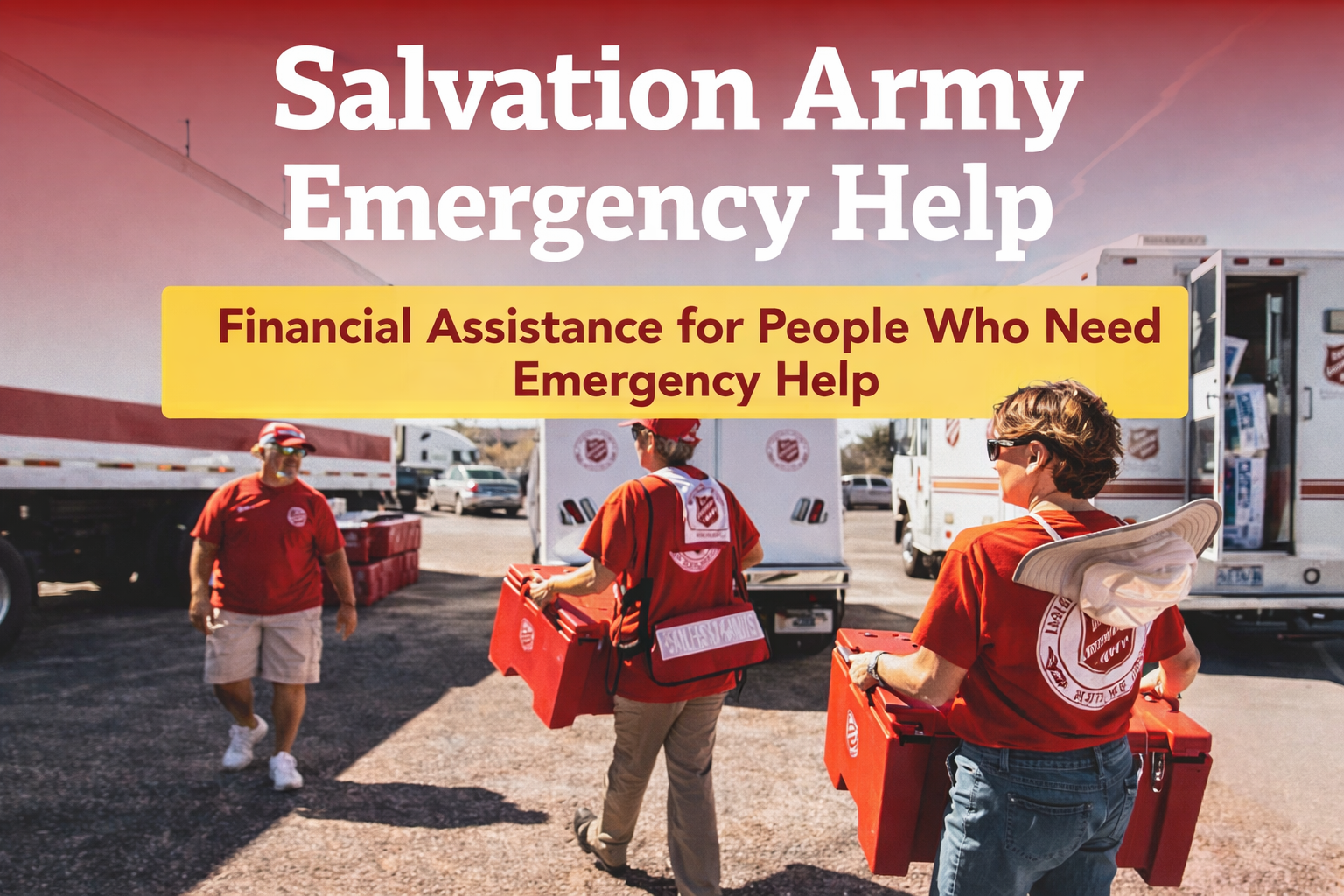
    With more than 7,000 service centers across the United States, The Salvation Army provides immediate emergency aid to individuals and families in crisis. Its core services include temporary housing, food banks, and community meals, as well as financial assistance for rent, mortgage, and utility payments. They also provide emergency supplies and emotional support during natural disasters. Since their programs are managed locally, specific availability and eligibility requirements vary by location.

    What the Salvation Army offers people who need emergency help

    Rent and mortgage assistance

    The Salvation Army offers emergency rent and mortgage assistance, helping eligible households facing sudden financial hardship avoid eviction or foreclosure. These local programs make payments directly to landlords or lenders to maintain immediate housing stability. You can enter your zip code directly into the official SAHelp portal to check if your area is currently accepting online emergency applications.

    Utility Assistance

    The Salvation Army offers emergency utility assistance, helping low-income individuals, seniors, and families in immediate financial crisis keep their electricity, gas, and water services connected. They typically step in during extreme weather conditions (when bills spike) or when the applicant has received an official disconnection notice.

    Most local centers require an initial appointment, either in person or by phone. To receive utility assistance, you generally need to provide a disconnection notice, proof of financial hardship, income documentation, official photo ID for adults, and birth certificates or Social Security cards for children in the household. There are also options managed directly by utility companies; many of these are detailed in the section of the website dedicated to utility company assistance programs.

    Transportation Assistance: Emergency Gas or Bus Vouchers

    The Salvation Army provides emergency transportation assistance through local bus passes, tokens, or gas cards. This aid is strictly intended for essential local travel, such as attending a job interview, commuting to a new job before receiving the first paycheck, or going to confirmed medical appointments. If requesting gas assistance, you must present a valid driver’s license, current vehicle registration, and proof of active car insurance.

    Generally, the vehicle must be registered in the applicant’s name. You can enter your zip code into the national SAHelp portal to locate the nearest Family Services office. Since transportation funds are very limited and rely on local donations, availability varies significantly depending on the organization’s local center. Additionally, consult the guide on the Salvation Army’s vehicle programs to learn about the available options and how these programs typically operate.

    Prescription and medical assistance

    The Salvation Army offers medical and emergency medication assistance to help uninsured, underinsured, or low-income individuals afford life-saving medications and basic medical equipment. This aid is typically designed as a short-term safety net to cover critical, immediate health needs—such as antibiotics or insulin—during a financial crisis. Assistance is generally limited to life-saving medications or those for acute conditions (e.g., insulin, heart medication, asthma inhalers, or short-term antibiotics).

    Funds are usually restricted to a one-time emergency supply (such as a 30-day provision) while social workers help you transition to a long-term patient assistance program. Enter your location on the official SAHelp portal to check if your local Salvation Army center offers active assistance in the form of vouchers for medication or medical services.

    Short-term housing and shelter for the homeless

    The Salvation Army operates immediate emergency shelters and short-term transitional housing for individuals, families, veterans, and survivors of domestic violence. These facilities provide a safe bed, hot meals, climate-controlled shelter, hygiene supplies, and social workers dedicated to helping residents transition to permanent housing.

    Immediate short-term housing offering a safe bed, showers, laundry facilities, and hot meals, available on a nightly or short-term basis.

    Emergency shelters provide immediate, temporary refuge for individuals and families who suddenly become homeless or are escaping dangerous situations.

    Subsidized rental housing combined with ongoing, voluntary support services, such as case management with home visits, mental health counseling, and healthcare coordination.

    Since housing programs operate via waiting lists or coordinated entry systems, you cannot directly access transitional or permanent supportive housing; you must first undergo an intake assessment.

    Use the national SAHelp portal to check current program availability. For programs that go beyond what a local center offers, the site’s general guide to the Salvation Army’s hotel and motel voucher programs provides more information about this resource.

    Free food, groceries, and meals – food pantries and soup kitchens

    The Salvation Army operates free food pantries, soup kitchens, and mobile feeding programs to ensure that individuals and families facing economic hardship or homelessness have regular access to nutritious food.

    Emergency food distribution centers where individuals and families receive free food boxes containing non-perishable staples, fresh fruits and vegetables, meat, and dairy products (availability varies based on supply).

    Soup kitchens and community meal centers offering hot, sit-down breakfasts, lunches, or dinners to anyone in need, without requiring background checks. They also operate mobile feeding units that travel to specific street locations or encampments to deliver hot meals, water, and snacks directly to people experiencing homelessness.

    Employment assistance and self-sufficiency programs

    The Salvation Army offers employment assistance and comprehensive self-sufficiency programs designed to help individuals break the cycle of generational poverty and achieve long-term financial independence. Going beyond temporary relief, these initiatives combine job training with intensive, multi-month case management to foster lasting stability.

    The Pathway of Hope program is The Salvation Army’s flagship national case management system, targeting families with children under 18 who are trapped in chronic poverty. Participants are assigned a dedicated caseworker who monitors their progress through regular, one-on-one goal-setting meetings. Case managers work systematically to overcome specific barriers to employment, such as a lack of local transportation or housing instability.

    Seasonal programs for families and children

    The Salvation Army runs specialized seasonal programs to support low-income families and children during critical times of the year, such as the start of the school year and the holiday season. These programs aim to alleviate financial pressure on parents, allowing them to focus on maintaining basic household stability.

    The Salvation Army’s “Angel Tree” program is its best-known Christmas initiative; it provides new clothing and toys to millions of children who might otherwise not receive gifts. Parents register their children (typically aged 0 to 12) and specify clothing sizes and the particular toys the children would like. These “angels” are placed on trees at local businesses or listed online so community members can “adopt” them and fulfill the children’s wishes. Registration generally opens in September or October each year. Spots fill up quickly, and late registrations are rarely accepted.

    Back-to-school assistance ensures children start the academic year well-prepared; local Salvation Army centers provide essential school supplies. Depending on local funding and school district requirements, some centers offer vouchers for school clothes or gift cards to purchase sturdy school shoes.

    Most centers offer special meals during Thanksgiving and Christmas; these are free hot meals open to anyone in need, and home delivery is sometimes arranged for seniors with limited mobility who cannot leave their homes.

    Summer camps and after-school programs for children

    After-school programs managed directly by local community centers, these programs cover the time between the end of the school day and when parents return from work. They operate Monday through Friday and strictly follow the local school district’s holiday and closure schedule.

    Summer day camps: When school ends for the summer, local centers switch to offering full-day care options, allowing parents to maintain their work schedules without facing excessive childcare costs. Participants engage in structured activities, including active games, summer Bible programs, crafts, field trips, and team sports. These camps are typically free or low-cost. Most centers accept state child care subsidies and offer internal scholarships with income-adjusted rates for families experiencing documented financial hardship.

    Disaster assistance – emergency help for people impacted

    The Salvation Army provides emergency disaster assistance to individuals, families, and communities affected by natural disasters and other large-scale emergencies.

    Finally, there are programs that go beyond emergency aid

    Income-based housing for seniors consists of independent living facilities for low-income older adults and people with physical disabilities; these are primarily funded through Section 202 subsidies from HUD (the U.S. Department of Housing and Urban Development). Generally, the head of the household must be 62 years of age or older (or an adult requiring the physical features of an accessible apartment) and meet strict low-income limits defined by HUD for that specific county.

    The Adult Rehabilitation Center program is a free, six-month residential substance abuse recovery initiative for men and women seeking to overcome drug and alcohol dependency. Applicants must be at least 21 years old (age requirements vary slightly by state), possess valid photo identification, pass breathalyzer and drug screening tests upon arrival, and be physically able to participate in the daily schedule of work therapy.

    Kroc Centers are large, state-of-the-art community recreation and education facilities funded by a historic multi-million dollar donation from Joan Kroc (widow of McDonald’s founder Ray Kroc). These centers offer highly subsidized “Kroc Scholarships” to low-income individuals and families, reducing membership fees to a nominal, affordable amount following income verification.

    Select your state below to learn more about The Salvation Army and find links to social service centers in your community. The Salvation Army’s national location finder tool, available at https://www.salvationarmyusa.org/location-finder/, can also help you locate the nearest service center.

    Alabama

    Alaska

    Arizona

    Arkansas

    California

    Colorado

    Connecticut

    Delaware

    District of Columbia

    Florida

    Georgia

    Hawaii

    Honolulu County
    Idaho

    Illinois

    Indiana

    Iowa

    Kansas

    Kentucky

    Louisiana

    Maine

    Maryland

    Massachusetts

    Michigan

    Minnesota

    Mississippi

    Missouri

    Montana

    Nebraska

    Nevada

    New Hampshire

    New Jersey

    New Mexico

    New York

    North Carolina

    North Dakota

    Ohio

    Oklahoma

    Oregon

    Pennsylvania

    Rhode Island

    South Carolina

    South Dakota

    Tennessee

    Texas

    Utah

    Vermont

    Virginia

    Washington

    West Virginia

    Wisconsin