Category: Shelter & Housing

  • Transitional Housing Programs for Single Mothers

    Transitional Housing Programs for Single Mothers

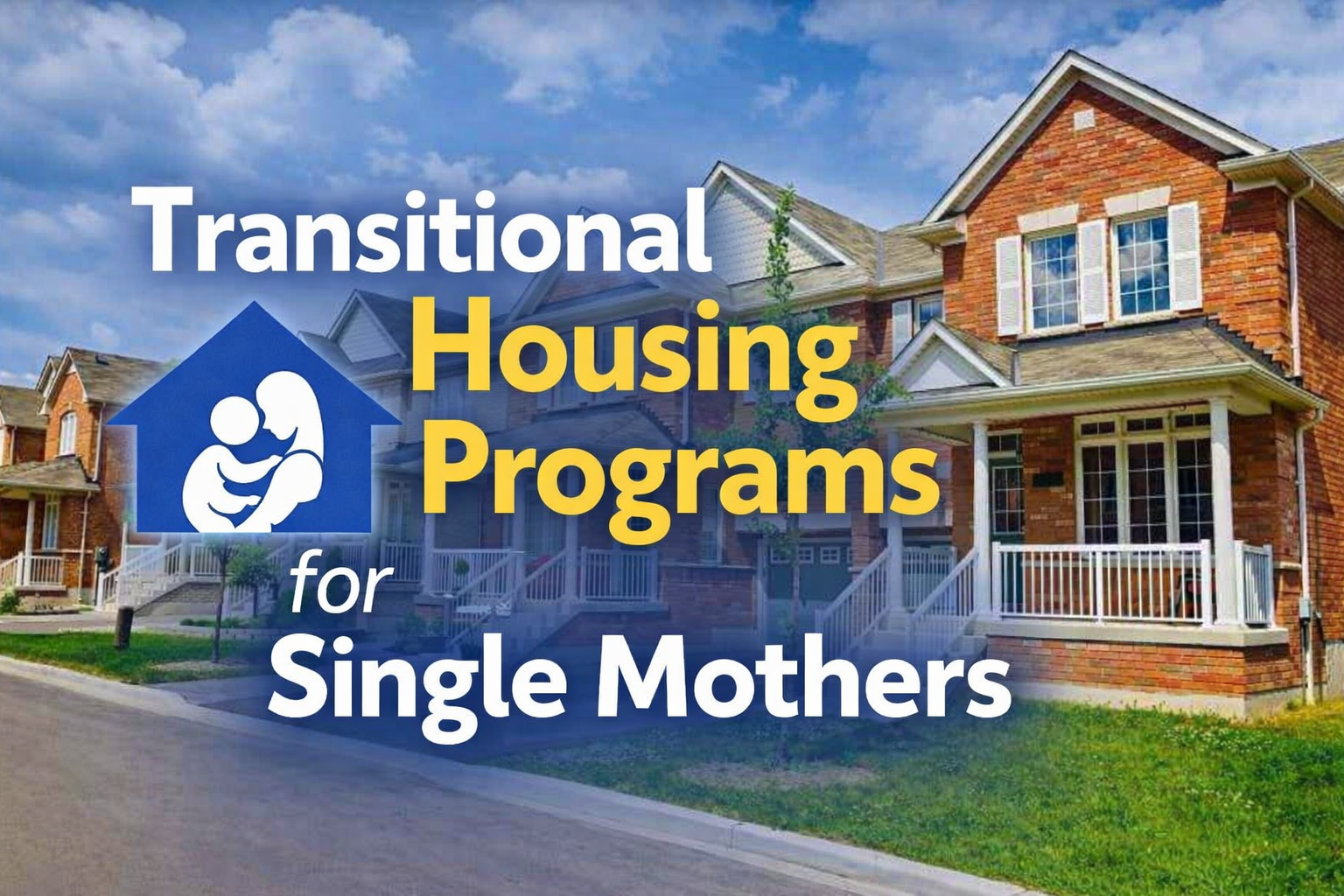
    Transitional housing programs offer safe, temporary accommodation (typically ranging from 6 to 24 months) and comprehensive support services to help single mothers achieve independence and transition into permanent housing. These programs are specifically designed to help families recover from crises such as homelessness, financial hardship, or domestic violence.

    Below, we explain how transitional housing works, eligibility requirements, and the application process; we also list official government and non-profit resources that provide assistance.

    Types of Support Services Offered

    Case management: Intensive, individualized goal-setting to create a clear roadmap toward long-term self-sufficiency.

    Financial education: Guidance on budgeting, debt management, and saving while living in subsidized housing.

    Educational and career support: Career counseling, resume building, connections to job training programs, and assistance with completing academic studies.

    Life skills and counseling: Parenting workshops, trauma-informed clinical counseling, and mental health resources.

    Childcare coordination: Connections to local early childhood education resources and assistance with school enrollment.

    National programs and networks

    Family Promise

    Family Promise is a national network offering specialized housing programs, temporary shelters, and community support systems to help single mothers with children overcome homelessness. Unlike traditional shelters that separate families by age or gender, Family Promise focuses primarily on keeping mothers and their children together and safe.

    Program eligibility requirements

    While specific rules vary slightly by local affiliate, universal national standards require:

    Dependent children: You must have at least one minor child (under the age of 18) currently living in your care.

    Housing status: You must be currently experiencing homelessness or facing an imminent, documented risk of losing your housing within a matter of days.

    Background check: Most locations require a standard background check to ensure a safe community environment for all families.

    Housing solutions offered

    Family Promise employs various strategies based on the resources available in your local community:

    Rotating and fixed shelters: These offer a private room for your family, daily home-cooked meals, and full access to laundry facilities, showers, and computer labs.

    Transitional or “bridge” housing: Temporary community apartments or adapted spaces where single mothers can reside for several months while working toward permanent housing.

    Prevention and rental assistance: Financial aid for security deposits, overdue utility bills, or back rent to help you retain your current housing.

    How single mothers can get help

    Find your local affiliate: Visit the official Family Promise location directory to find the phone number and address of the affiliate closest to you.

    Complete an initial assessment: Call your local affiliate directly to request a phone assessment or an in-person intake appointment.

    Use the 211 service: If you cannot reach your local affiliate or need immediate shelter for the night, call 2-1-1 or visit 211.org for immediate local emergency assistance.

    The Salvation Army

    The Salvation Army’s transitional housing programs—often called Transitional Living Centers (TLCs)—offer stable, temporary housing for periods ranging from 6 to 24 months to help individuals and families transition from homelessness to independent living. These programs combine safe accommodations with mandatory, structured support systems to address the root causes of housing instability.

    Eligibility Requirements

    While specific rules vary by location, standard criteria for Salvation Army homelessness services include:

    Housing status: Applicants must currently be homeless, residing in an emergency shelter, or fleeing a domestic violence situation.

    Commitment to sobriety: Programs operate under strict sobriety rules. Participants must abstain from drug and alcohol use and may be subject to random testing.

    Income and employment: Adults are generally required to be employed, actively seeking work, or enrolled in an educational or vocational training program.

    Program participation: Residents must actively work with assigned case managers and attend mandatory life-skills classes.

    Program rules and structure

    The Salvation Army employs a structure that fosters accountability to prepare residents for permanent housing:

    Mandatory savings plan: To ensure you can afford a security deposit upon completing the program, you are typically required to save between 50% and 75% of your income. The Salvation Army holds these funds securely and returns them to you when you move into your own housing.

    Program fees: Depending on the specific location and program level, residents with income may pay a small participation fee or 30% of their adjusted gross income as subsidized rent.

    Curfews and visitation policies: To ensure the safety of families and children, centers enforce strict nightly curfews and generally do not allow outside visitors into residential areas.

    Wraparound Support Services Provided

    Case management: Individual counseling to set goals, resolve legal or financial obstacles, and follow up on permanent housing applications.

    Life skills classes: Mandatory workshops covering financial literacy, budgeting, parenting techniques, and nutrition.

    Job readiness: Access to on-site computer labs, resume-building assistance, career guidance, and job placement resources.

    Support for children and families: Referrals for specialized childcare services, homework help, and trauma-informed counseling for children who have experienced crisis situations.

    How to apply for services

    Obtain a referral from the Coordinated Entry System (CES): In many regions, you cannot apply directly. You must first be assessed by your county’s Coordinated Entry System (CES) or a local emergency shelter, which will then refer you to The Salvation Army.

    Contact local locations: Search The Salvation Army’s national directory to call your local Corps Community Center and ask for the housing caseworker.

    Emergency housing: If you need immediate shelter tonight before entering a long-term transitional program, call 2-1-1 to locate an available emergency bed.

    Catholic Charities

    Catholic Charities offers regional, decentralized transitional housing and residential support programs designed specifically for single parents, pregnant women, and mothers with minor children. Because Catholic Charities operates through a network of independent local dioceses, specific program names, local eligibility criteria, and shelter stay durations (ranging from 3 to 24 months) vary significantly by location.

    Types of housing programs for single parents

    Maternity and infant care programs: Specialized centers—such as Our Mother’s House (Venice, FL) or St. Margaret of Cortona (Arlington, VA)—that exclusively house single mothers with infants or very young children (under age 3).

    Rapid rehousing and domestic violence support: Trauma-informed apartments combined with immediate financial assistance, specifically for single parents fleeing domestic violence situations.

    Family self-sufficiency apartments: Adapted apartment complexes where single parents work, study, and live semi-independently with their minor children for a period of up to 18 to 24 months.

    Requirements to Qualify

    While each local diocese establishes its own strict admissions policies, the standard basic criteria across the Catholic Charities USA network typically require:

    Legal custody of minors: Applicants must be a parent or legal guardian actively living with at least one child under the age of 18.

    Will to work or study: The cornerstone of Catholic Charities transitional housing is career or educational development. Adults must be employed or actively seeking employment.

    Strict financial agreement: Many facilities require opening a bank account and depositing up to 75% of total income into a controlled savings account; these funds are repaid at the end of the program to cover a deposit for permanent housing.

    Commitment to sobriety: Applicants must remain completely free of substances and drugs, in addition to attending routine follow-up appointments.

    How to Find Your Local Program

    Locate Your Regional Office: Since there is no centralized national waiting list, you must use the official Catholic Charities directory to find the agency serving your county.

    Request Enrollment Information: Contact us via the email address or local phone number provided. Have your ID and your children’s birth certificates ready for the initial assessment call.

    Check the Coordinated Entry System: Some regions strictly require a referral from a local public shelter or a county social worker before you can access a Catholic Charities facility.

    YWCA

    The YWCA Transitional Housing Program offers safe, temporary housing (short- or medium-term) combined with structured case management to help individuals, families, and young adults overcome homelessness and achieve permanent self-sufficiency. Because the YWCA operates as a federation of independent local chapters, eligibility requirements, target populations, and program costs vary significantly depending on the specific geographic location.

    Admission Requirements

    While policies differ by local chapter, most centers require applicants to meet the following requirements:

    Background Check: Passing a criminal background check is a standard security measure for community or dispersed housing units.

    Program Engagement: A mandatory commitment to work closely with a case manager in setting personalized goals, job training, or education.

    Income Verification or Lease Agreements: Many programs charge a nominal, tiered fee based on income (for example, the Valley of the Sun YMCA charges a flat rate per room plus an application fee) to encourage healthy budgeting habits. Identification: You will typically need to provide a valid ID and your Social Security number during the admission process.

    Comprehensive Support Services

    The program is designed to address the root causes of housing instability, offering much more than just a place to sleep:

    Life Skills Training: Practical courses on budgeting, financial literacy, savings support, and healthy coping mechanisms.

    Job Placement: Assistance with finding stable employment, resume writing, and interview skills development.

    Mental Health Support: Access to counseling and wellness services on-site, as well as addiction recovery resources.

    How to Apply

    Find Your Nearest Branch: Consult the YMCA’s main network to find the branch that manages services in your area.

    Inquire About Admission: Contact the community or social services department directly to inquire about unit availability and current waiting lists.

    Coordinated Entry System: In many regions, you may need a referral from a local homeless hotline or the regional Coordinated Entry System (CES) to access these spaces.

    Immediate Steps to Access Housing

    Call 211 Immediately: Dialing 211 from your phone connects you to your local 211 community services line for information about emergency shelters.

    Contact a Coordinated Entry Point: Most counties require you to go through a central homeless hotline for an assessment and priority determination for access to transitional housing.

    Connect with local non-profit organizations: contact neighborhood churches, community action agencies, or organizations specializing in single-parent families directly to inquire about available intake appointments.